




The Influence of Covid-19 on British Horse Racing
British horse racing has long been a staple of the nation’s culture, attracting millions of spectators and providing a thriving industry for many. However, the tumultuous events of the past couple of years, particularly the Covid-19 pandemic, have had a profound impact on this beloved sport. The uncertainties surrounding horse racing can often lead to confusion and questions among fans and bettors, especially when looking for British horse racing not on GamStop UK horse racing not on GamStop options. In this article, we will delve deep into how the pandemic has reshaped British horse racing, from the cancellation of major events to the gradual recovery and future outlook for the sport.
The Initial Impact
As Covid-19 began to spread and lockdown measures were implemented across the UK in early 2020, British horse racing was not exempt from the fallout. The Grand National, one of the most prestigious events in horse racing, was among the first to be impacted, being cancelled for the first time since World War II. This cancellation sent shockwaves through the industry, affecting jockeys, trainers, stablehands, and the entire ecosystem that revolves around horse racing.
Temporary Suspension of Races
In March 2020, authorities decided to suspend all racing activities. This decision not only meant a halt to live events but also significantly affected betting revenues and associated businesses. With tracks closed to the public, trainers found it increasingly challenging to manage their operations and provide care for the animals. Many were forced to furlough staff, leading to serious economic implications for everyone connected to the sport.
Adjustments and New Protocols
As the pandemic progressed, the British Horseracing Authority (BHA) had to implement new safety protocols to allow the resumption of racing. From June 2020, horse races began to take place again, but not without strict guidelines in place. Only essential personnel were allowed on-site, and all events were held behind closed doors, eliminating the vibrant atmosphere and fanfare typically associated with horse racing events.
The Return of Spectators
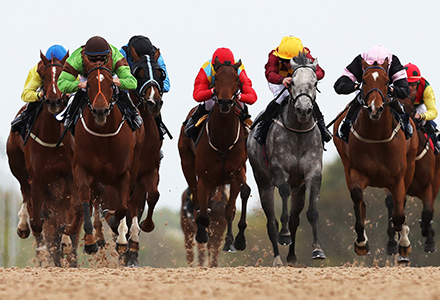
The return of spectators became a pivotal issue as the country began to emerge from lockdown. Various pilots and test events were organized to assess safety measures, but it wasn’t until mid-2021 that fans were officially welcomed back to the tracks. While limited capacity was initially the norm, the gradual lifting of restrictions allowed for more significant attendance as the year progressed, energizing the community and industry alike.
The Impact on Betting
Betting is an integral part of British horse racing culture, and the pandemic has had an undeniable impact on this aspect. Bookmakers had to adapt to the suspension of racing, leading to a sur
ge in online betting, particularly on international races and virtual events. However, traditional betting shops faced significant losses with physical establishments closed for months on end.
Economic Ramifications
The overall economic impact of the pandemic on British horse racing is substantial. According to industry reports, the financial fallout is expected to exceed £300 million, considering lost revenues from race days, advertising, sponsorships, and related sectors. Many smaller racing venues faced especially hard times, with some struggling to stay afloat while trying to navigate the new reality of the post-pandemic world.
The Future Landscape
As we look towards the future, British horse racing is poised to recover gradually. The resilience of the community, along with the increasing enthusiasm for online betting, will play crucial roles in revitalizing the sport. Innovations in technology, such as enhanced streaming services and better data analytics, are likely to attract a younger audience and ensure the continued relevance of horse racing in a fast-changing world.
The Role of Technology
In light of the changes brought about by the pandemic, technology is becoming an essential tool for the horse racing industry. Many organizations are investing in advanced digital platforms to engage fans more effectively, providing them with the ability to partake in virtual experiences, educational content, and betting opportunities from home. Additionally, integrating health and safety protocols through technological solutions will be essential in building confidence among fans and participants alike.
Community Engagement
Community engagement has also taken on a new meaning in the context of horse racing. While the closeness of racing communities was evident during the early pandemic stages, strong outreach efforts will play a key role in bringing audiences back. Initiatives that focus on supporting local stables, trainers, and riders while fostering connections with fans through social media will likely enhance loyalty and interest in the sport.
Conclusion
In conclusion, British horse racing has faced unprecedented challenges due to the Covid-19 pandemic. As the industry continues to adapt and evolve in response, there is cautious optimism about the future. With renewed efforts to connect with audiences, embrace technology, and enhance community support, British horse racing may not only recover but emerge stronger than ever before. The twists and turns in its journey remind us of the resilience of the sport and its unwavering bond with the community at large.