


A Practical Workflow for Creators
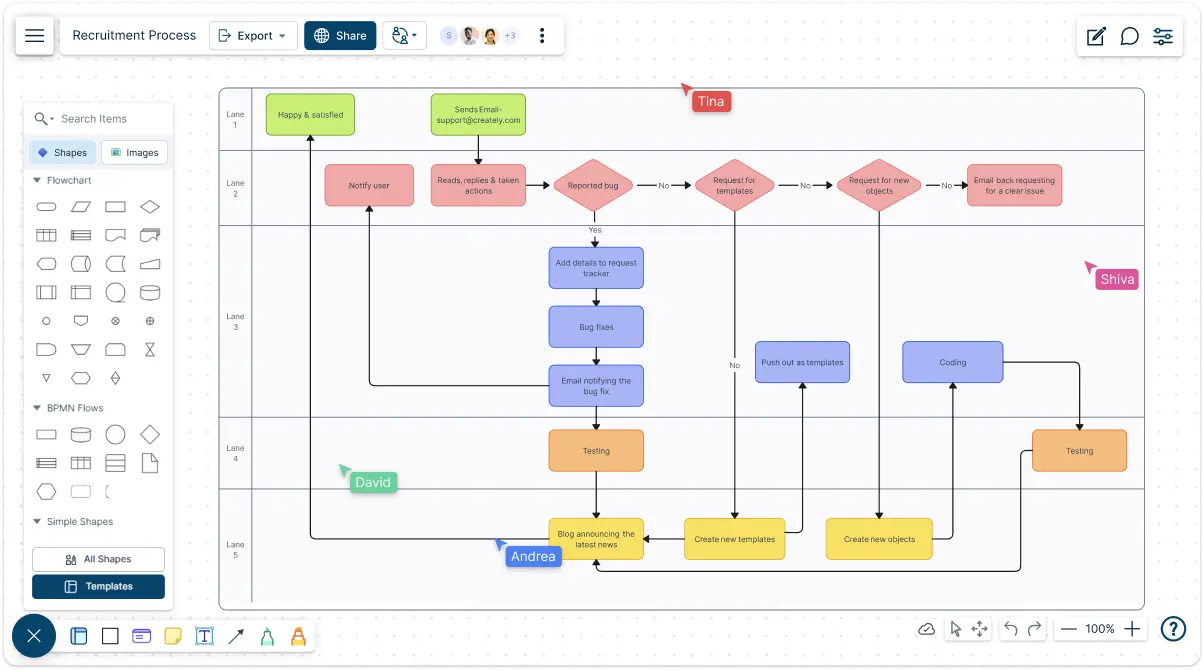
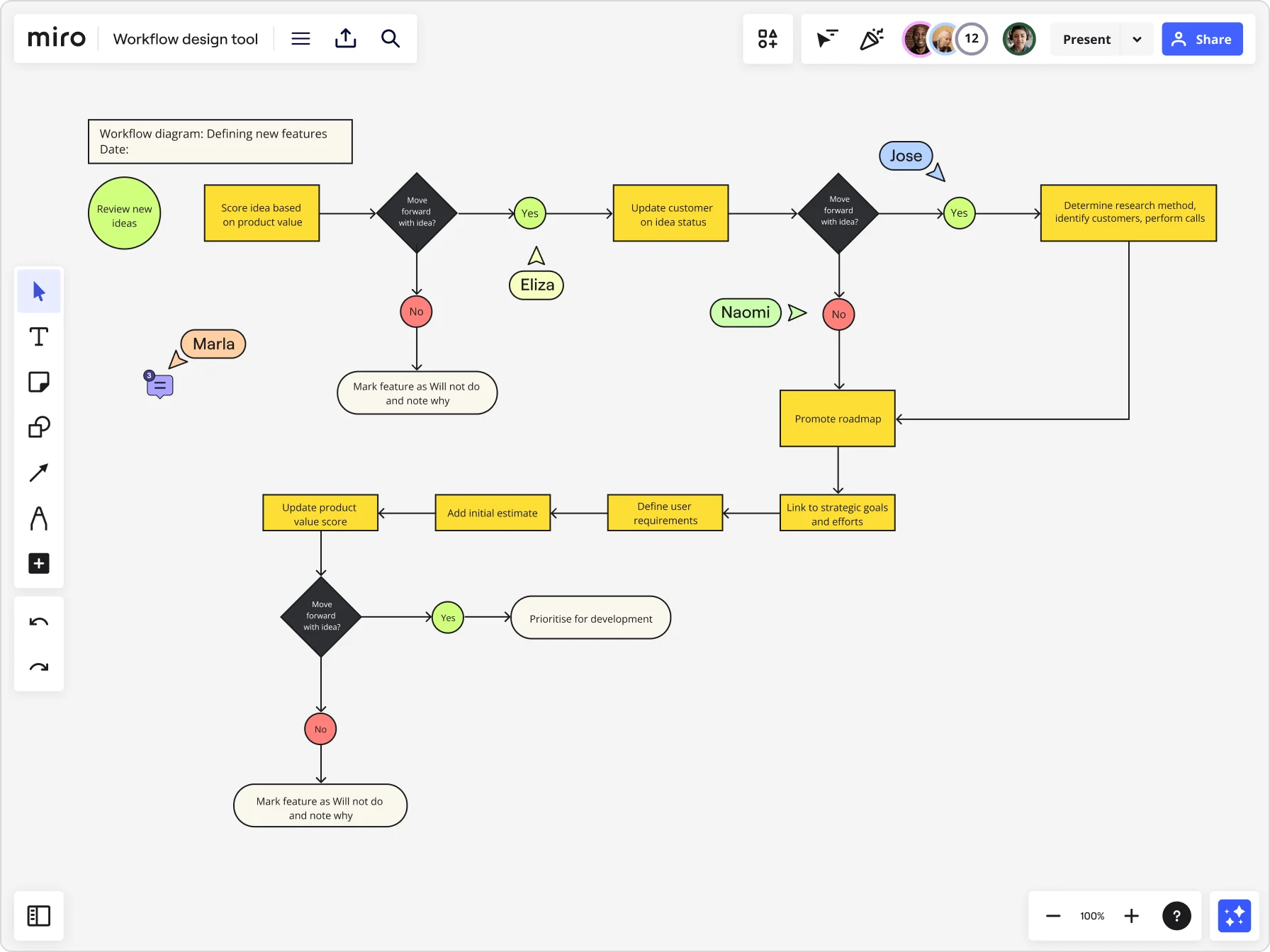
In the world of content creation, establishing a consistent and efficient workflow is essential for success. Having a a practical workflow for creator collaborations can significantly streamline the creative process, enhance productivity, and foster better collaboration among team members. In this article, we will cover a comprehensive workflow that covers all aspects of the creation process, from ideation to publication and everything in between.
1. Ideation and Planning
The first step in the workflow is brainstorming ideas and planning your projects. This phase is crucial as it lays the foundation for the entire creative process. Here are some strategies to enhance your ideation and planning:
- Brain Dump: Start by jotting down all your thoughts, ideas, and topics that interest you. Don’t filter; just write everything down.
- Research: Look into current trends, audience interests, and content gaps. Utilize tools like Google Trends, BuzzSumo, or social media insights.
- Mind Mapping: Create a visual representation of your ideas to see connections and organize your thoughts effectively.
- Set Goals: Define clear, measurable goals for your project, such as the target audience, message, and desired outcomes.
2. Content Creation
Once you have a solid plan in place, it’s time to dive into the content creation phase. This part of the workflow involves several steps:
- Scriptwriting/Outlining: If your content requires a script, whether it be for a blog, video, or podcast, create an outline to organize your ideas logically.
- Design and Visuals: Incorporate design elements that align with your brand. Tools like Canva or Adobe Creative Suite can be helpful.
- Filming/Recording: Gather all necessary materials and equipment for the production phase. Make sure to prepare adequately to avoid issues during this stage.
- Editing: Edit your content to enhance clarity and engagement. Pay attention to pacing, transitions, and overall flow.
3. Feedback and Collaboration
After creating content, it’s vital to get feedback and collaborate effectively with your team, if applicable. Here are some best practices:
- Internal Review: Before sharing your content externally, conduct an internal review with your team. This can help spot errors or areas for improvement.
- Utilize Collaboration Tools: Tools like Trello, Asana, or Google Docs can facilitate discussion and comments in real-time, ensuring everyone is on the same page.
- Client/Stakeholder Feedback: If you’re working on a commission, involve clients in the review process to meet their expectations.
4. Publishing
Once your content is polished and approved, it’s time to publish. The publishing phase should be approached strategically:
- Choose Platforms Wisely: Based on your audience, decide which platforms are suitable for publishing your content, such as YouTube, blogs, social media, etc.
- Optimize for SEO: Make sure to optimize your content for search engines by using relevant keywords, tags, and meta descriptions.
- Schedule Your Posts: Use tools like Buffer or Hootsuite to schedule your content for optimal visibility.
5. Promotion
Publishing your content is just the beginning; promotion is key to reaching your audience. Here are effective promotional strategies:

- Social Media Marketing: Share your content across your social media platforms to engage with followers and encourage sharing.
- Email Newsletters: Send out newsletters to your subscribers highlighting your latest content. Personalize your emails for better engagement.
- Collaborate with Other Creators: Networking and collaborating with other creators can help expose your content to new audiences.
6. Analyzing Results
After promoting your content, it’s essential to analyze its performance. Understanding metrics will help you refine your workflow and strategies:
- Track Engagement: Use analytics tools to track view counts, likes, shares, and comments. Understand what resonates with your audience.
- Adjust Your Strategy: Based on the analytics, adjust your future content strategy to better meet audience needs.
7. Continuous Improvement
The final stage of the workflow is continuous improvement. The creative industry is always evolving, and staying adaptive is vital:
- Solicit Feedback: Ask your audience for feedback on your content and consider their suggestions for improvement.
- Stay Updated: Keep learning about industry trends and new tools that can enhance your workflow.
- Network Regularly: Engage with other creators and industry professionals to gain insights and inspiration.
Conclusion
Establishing a practical workflow is essential for creators who want to maximize their productivity while ensuring quality. By following the outlined steps—from ideation to continuous improvement—you can create a structured approach that enhances not only your creative output but also your overall engagement with your audience. Remember that the key to success in the creative field lies in perseverance, adaptability, and collaboration.